
DM-1200
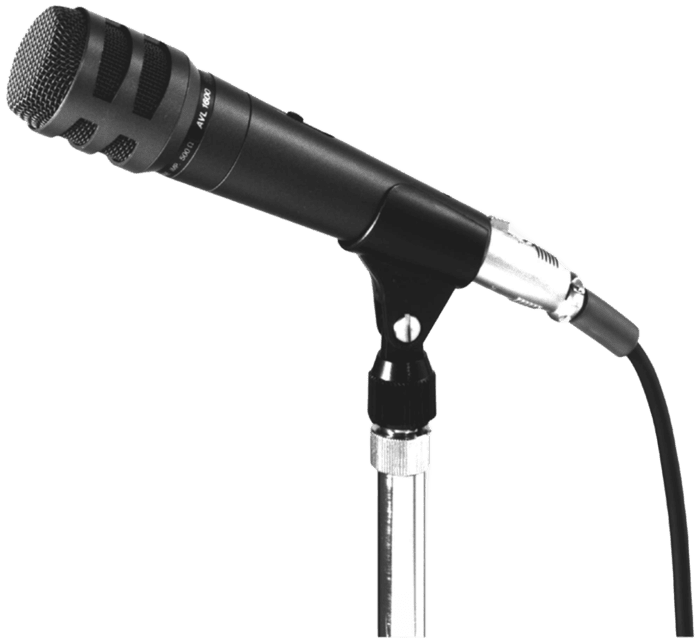
- Dynamic moving-coil microphone engineered for vocal performance and speech
- Unidirectional cardioid pattern reduces acoustic feedback in sound reinforcement
- Low-noise short-off slide switch for silent on-stage toggle control
- Rigid zinc die-cast body with 10m balanced XLR cable
Specifications
FAQs
What is the performance difference between the TOA DM-1200 and the DM-1100?
The TOA DM-1200 is a higher-tier balanced dynamic microphone featuring a die-cast zinc body, wider frequency response (50 Hz to 12 kHz), higher output sensitivity, and internal shock-mounting. Additionally, its balanced XLR output allows audio signals to travel over longer cable distances without picking up electromagnetic interference.
Why is balanced audio output important for stage and commercial mic setups?
A balanced audio signal uses three conductors (Hot, Cold, Ground) to actively cancel out common-mode electromagnetic interference (EMI) and radio frequency interference (RFI). This allows the DM-1200 to run through long cable paths—up to hundreds of feet—without introducing ground hum or background buzz into the mixer.
How does the internal rubber shock mount benefit speech presentations?
The DM-1200 capsule is suspended inside an internal rubber shock-mount isolation structure. This mechanical dampening absorbs physical vibrations caused by handling the microphone barrel, tapping the podium, or moving the microphone stand, keeping handling noise out of the main PA system.
Can I use the TOA DM-1200 with standard third-party sound consoles?
Yes, the microphone uses a industry-standard 3-pin XLR male connector. It can be plugged into any standard mixing console, audio interface, commercial amplifier, or powered loudspeaker using standard XLR mic cables.
Does the slide switch on the DM-1200 cause clicking sounds when turned off?
No, the DM-1200 features a specially designed low-noise short-off slide switch. Toggling the switch grounds the signal path silently, eliminating pop or click transients that could otherwise damage sensitive compression drivers or annoy listeners during a live event.